Rotary Airlock Valve for Dust Collector: Working, Benefits & Applications
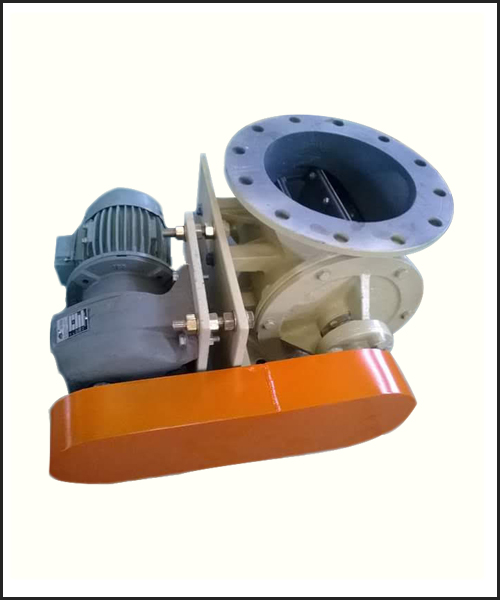
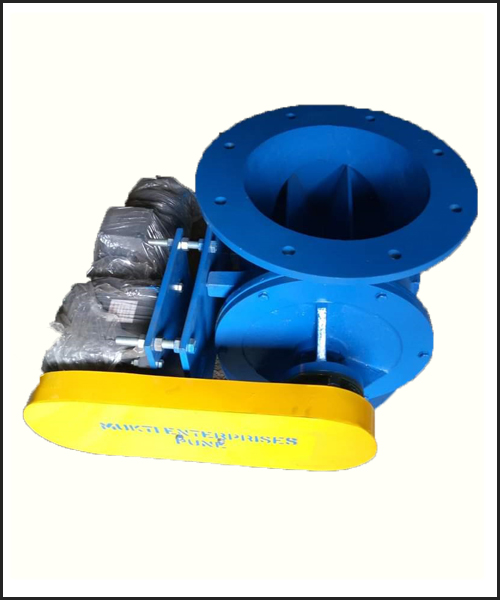
A Rotary Airlock Valve for Dust Collector is an important component used in dust collection and material-handling systems. It helps discharge collected dust, powder, and fine particles from the bottom of a dust collector while maintaining the required air seal between different pressure zones. This allows the dust collector to operate efficiently without continuously losing air through the discharge outlet.
Mukti Enterprises provides rotary airlock valve solutions for industrial dust collection and material-handling applications. With the right valve selection, industries can improve dust discharge, reduce air leakage, and maintain smoother dust collector operation.
What Is a Rotary Airlock Valve?
A rotary airlock valve, also known as a rotary valve or rotary feeder, is a mechanical device consisting of a rotating rotor with multiple pockets inside a housing. As the rotor rotates, dust or powder enters the pockets from the inlet, moves through the valve, and is discharged from the outlet.
In dust collector applications, the valve is generally installed below the hopper. It continuously removes collected dust while helping maintain the pressure difference required for effective filtration.
How Does a Rotary Airlock Valve Work with a Dust Collector?
The working process is simple:
- Dust-laden air enters the dust collector.
- The filter elements separate dust particles from the air.
- Collected dust settles into the hopper.
- The rotary airlock valve receives the collected material.
- The rotor pockets carry the dust toward the discharge outlet.
- The dust is released into a drum, bag, screw conveyor, pneumatic conveying system, or other collection arrangement.
- The rotor continues rotating to provide continuous discharge.
This controlled discharge helps prevent excessive dust accumulation inside the hopper.
Why Is a Rotary Airlock Valve Important for Dust Collectors?
A dust collector needs to remove accumulated dust without significantly affecting its internal pressure conditions. Simply opening the hopper outlet can allow unwanted air to enter the system.
A properly selected rotary airlock valve helps provide a controlled material discharge while reducing unwanted air movement through the hopper outlet.
This makes it particularly useful for industrial dust collectors operating continuously.
Key Benefits of Rotary Airlock Valve for Dust Collector
- Continuous Dust Discharge The rotary airlock valve can continuously remove collected dust from the dust collector hopper, reducing the need for manual emptying.
- Helps Maintain Air Sealing The rotating pockets create a controlled interface between the inlet and outlet, helping reduce unwanted air leakage when the valve is properly selected and maintained.
- Improved Dust Collector Efficiency Efficient dust discharge helps prevent hopper accumulation and supports consistent operation of the dust collection system.
- Reduced Manual Handling Automated dust discharge reduces manual collection and handling of dust, improving workplace cleanliness and operational convenience.
- Suitable for Different Materials Depending on the design and construction, rotary airlock valves can handle materials such as dust, powder, ash, granules, and other dry bulk solids.
- Easy Integration A rotary airlock valve can be integrated with dust collectors, bag filters, cyclone separators, screw conveyors, pneumatic conveying systems, and other material-handling equipment.
Applications of Rotary Airlock Valves
Rotary airlock valves are widely used in industries where dust collection and dry material handling are required, including:
- Cement plants
- Pharmaceutical industries
- Chemical processing
- Food processing
- Steel and metal industries
- Foundries
- Power plants
- Woodworking industries
- Plastic processing
- Mining and minerals
- Fertilizer plants
- Grain and agricultural processing
- Manufacturing industries
How to Select the Right Rotary Airlock Valve?
Selecting the correct valve is important for reliable dust collector operation. Consider the following factors:
Material Characteristics Identify whether the material is fine dust, powder, granules, abrasive particles, or another dry bulk material. Material characteristics influence rotor design and construction.
Required Capacity The valve should have sufficient capacity to handle the quantity of dust generated by the dust collector. Undersizing can result in material accumulation and poor discharge.
Temperature For hot dust or high-temperature applications, suitable materials, bearings, seals, and construction arrangements should be selected.
Pressure Difference The pressure conditions across the rotary airlock valve should be considered when selecting the appropriate design and sealing arrangement.
Abrasiveness Abrasive dust can cause increased wear on the rotor and housing. Wear-resistant construction may be required for such applications.
Motor and Drive The motor and gearbox should be selected according to the required speed, torque, material characteristics, and operating conditions.
Rotary Airlock Valve vs. Manual Dust Discharge
A manual discharge arrangement may be suitable for small or intermittent applications. However, it can require frequent operator involvement and may affect system operation when the hopper needs to be opened.
A rotary airlock valve provides controlled and continuous discharge, making it more suitable for many automated and continuous dust collection systems.
| Feature | Rotary Airlock Valve | Manual Discharge |
|---|---|---|
| Dust Discharge | Continuous / Controlled | Manual |
| Automation | High | Low |
| Operator Involvement | Low | High |
| Suitable for Continuous Operation | Yes | Limited |
| Air Leakage Control | Better when properly selected | Generally lower |
| Integration with Conveyors | Easy | Limited |
Why Choose Mukti Enterprises?
Mukti Enterprises offers rotary airlock valve solutions for industrial dust collection and dry bulk material-handling applications. The company focuses on providing equipment suitable for different industrial operating conditions.
When selecting a Rotary Airlock Valve for Dust Collector, the correct valve capacity, material construction, pressure conditions, temperature, dust characteristics, and installation requirements should be considered.
Choosing the right rotary airlock valve can help industries achieve reliable dust discharge, reduced manual handling, improved system operation, and better overall dust management.
Conclusion
A Rotary Airlock Valve for Dust Collector plays an important role in continuously removing collected dust while helping maintain the required operating conditions inside the dust collection system. Its controlled feeding action makes it useful for factories and process industries where dust collectors operate continuously.
For reliable rotary airlock valve solutions, Mukti Enterprises can provide application-oriented options based on the dust collector configuration, material characteristics, capacity, and operating requirements.