
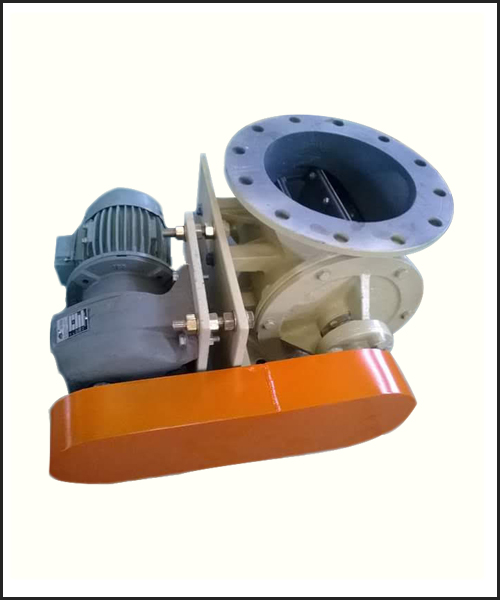
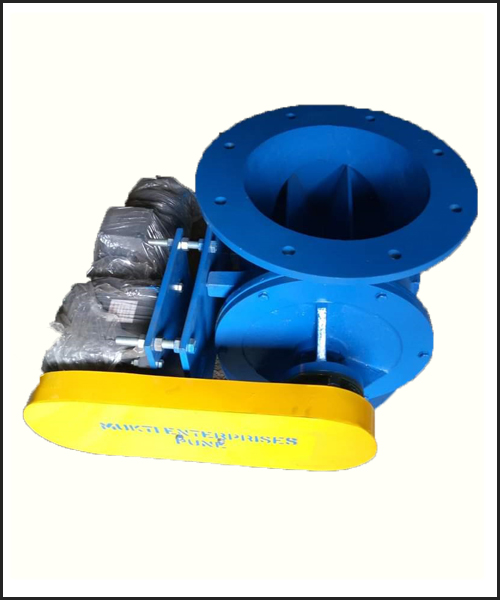
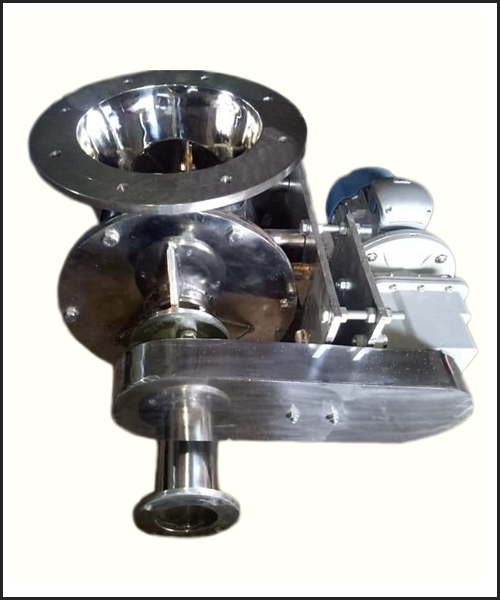
Rotary Feeder in Boiler in India by Mukti Enterprises
Rotary Feeder in Boiler – A Complete Guide by Mukti Enterprises
In modern industrial boiler systems, efficient fuel handling plays a critical role in maintaining consistent energy generation and operational stability. One of the key components that supports this process is the rotary feeder, also known as a rotary airlock feeder or rotary valve. At Mukti Enterprises, we understand that a reliable feeding system is essential for ensuring continuous boiler operation, optimized combustion, and minimal energy loss.
This article explores the concept of rotary feeders in boiler systems, including their working principle, applications, benefits, technological advancements, and the future scope of this essential equipment in the industrial sector.
Understanding the Rotary Feeder in Boiler Systems
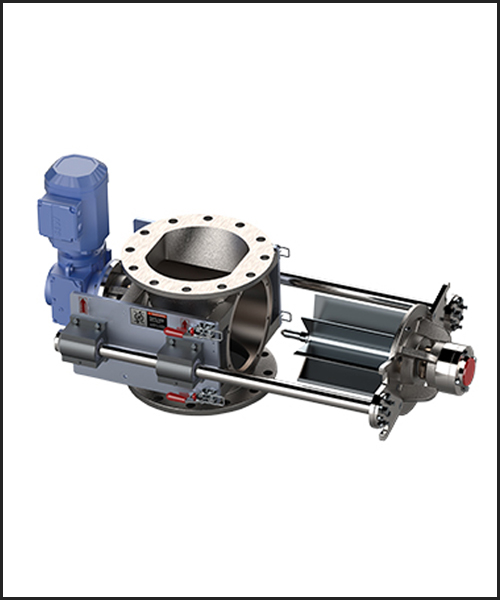
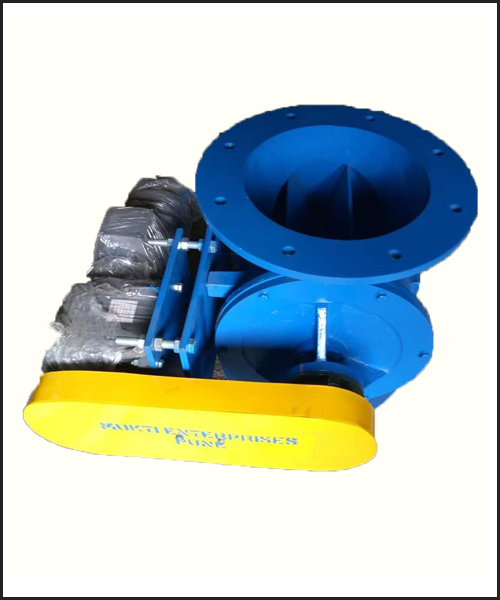
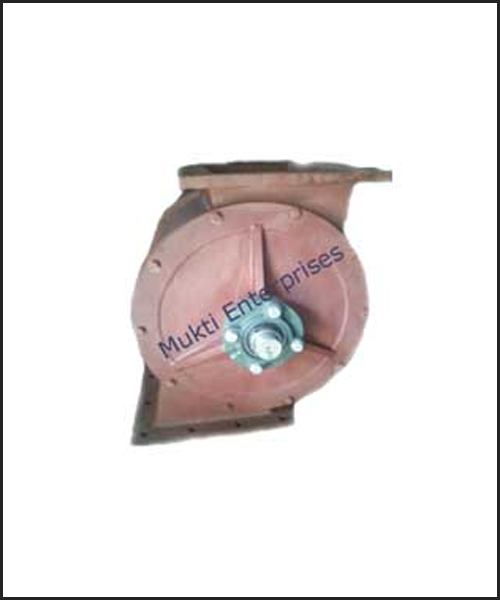
A rotary feeder is a mechanical device designed to regulate and control the flow of bulk materials from storage units such as hoppers, silos, or bins into boiler systems or pneumatic conveying lines. The device typically consists of a rotating rotor with multiple blades housed inside a sealed chamber. As the rotor rotates, material enters the pockets formed between the blades and is discharged gradually into the boiler or conveying system.
In boiler applications, rotary feeders are primarily used to feed fuels such as coal, biomass pellets, husk, wood chips, or other granular materials into the furnace in a controlled and continuous manner. This ensures uniform combustion and helps maintain stable boiler performance.
At Mukti Enterprises, rotary feeders are engineered with precision components, durable materials, and advanced sealing mechanisms to ensure reliable performance even under high-temperature and high-pressure conditions.
How a Rotary Feeder Works in a Boiler?
The working mechanism of a rotary feeder is relatively simple yet highly effective. The process typically involves the following steps:
- Material EntryBulk material from a hopper or silo enters the rotary feeder through the inlet opening.
- Pocket FillingThe rotor blades create small pockets that capture the material.
- Rotational MovementAs the rotor rotates, the filled pockets move downward inside the housing.
- Controlled DischargeThe material is discharged at the outlet directly into the boiler feed line or combustion chamber.
- Airlock FunctionThe sealed design prevents air leakage and maintains pressure balance between different sections of the system.
This controlled feeding mechanism ensures that the boiler receives the exact amount of fuel required for efficient combustion.
Key Features of Rotary Feeders Offered by Mukti Enterprises
At Mukti Enterprises, rotary feeders are designed to meet industrial standards and demanding operational requirements. Some essential features include:
- Robust construction using high-grade materials
- Precision rotor with multiple vanes for uniform feeding
- Dust-tight sealing system to prevent leakage
- High temperature resistance for boiler environments
- Low power consumption and energy-efficient operation
- Customizable size and capacity depending on boiler requirements
These features ensure long service life and reliable performance in various industrial applications.
Applications of Rotary Feeders in Boiler Systems
Rotary feeders are widely used in different industries where controlled feeding of solid fuel or bulk material is required. Some common applications include:
- Biomass BoilersRotary feeders are used to feed biomass materials such as wood chips, pellets, rice husk, and agricultural waste into boilers for renewable energy generation.
- Coal-Fired BoilersIn coal-fired power plants and industrial boilers, rotary feeders regulate the supply of pulverized coal or granular coal to maintain efficient combustion.
- Industrial Steam BoilersManufacturing facilities use rotary feeders to maintain continuous fuel flow for steam production.
- Waste-to-Energy PlantsRotary feeders help transfer waste materials into combustion chambers for energy recovery.
- Pneumatic Conveying SystemsThey also function as airlocks, maintaining pressure differences while transferring materials between vessels.
Due to their versatility, rotary feeders are widely used in industries such as power generation, cement, food processing, chemical manufacturing, and mining.
Benefits of Using Rotary Feeders in Boilers
- Consistent Fuel FeedingRotary feeders provide a steady and controlled flow of fuel, which helps maintain stable combustion and boiler efficiency.
- Air Leakage PreventionThe airlock design prevents air loss and maintains pressure integrity within the system.
- Improved Energy EfficiencyBy minimizing air leakage and controlling fuel supply, rotary feeders help reduce energy consumption.
- Reduced MaintenanceModern rotary feeders are designed with wear-resistant materials that increase durability and reduce downtime.
- Continuous OperationThey are capable of operating continuously for long periods, making them ideal for industrial boiler systems.
- Dust ControlRotary feeders prevent dust leakage, improving workplace safety and environmental compliance.
- Accurate Material MeteringThey allow precise control of material flow from storage to processing systems.
These advantages make rotary feeders an indispensable component in modern boiler operations.
Technological Advancements in Rotary Feeder Systems
As industrial processes become more automated and efficient, rotary feeder technology has also evolved. At Mukti Enterprises, the focus is on integrating advanced engineering and smart design features to enhance equipment performance.
- Smart AutomationAdvanced feeders now incorporate automated control systems and sensors that monitor feed rates and adjust rotor speed accordingly.
- Variable Speed DrivesVariable frequency drives (VFDs) allow operators to regulate feeding speed for better process control.
- Wear-Resistant CoatingsSpecial coatings such as ceramic or chrome plating improve durability when handling abrasive materials.
- High-Temperature DesignsSpecialized designs enable rotary feeders to operate in extreme boiler environments.
- Improved Sealing SystemsModern sealing technologies minimize air leakage and improve system efficiency.
These innovations significantly improve reliability and extend the service life of rotary feeder systems.
Future of Rotary Feeders in the Industry
The future of rotary feeders is closely linked with the growth of industrial automation and sustainable energy systems.
- Integration with Smart PlantsRotary feeders will increasingly be connected to automated control systems and industrial IoT platforms for real-time monitoring and predictive maintenance.
- Growth in Biomass EnergyAs industries shift toward renewable energy sources, rotary feeders will play a key role in feeding biomass fuels into boilers.
- Energy-Efficient DesignsManufacturers are focusing on designs that reduce energy consumption and improve overall system efficiency.
- Custom Engineered SolutionsIndustries will demand more customized rotary feeder systems tailored to specific applications and materials.
- Advanced MaterialsFuture rotary feeders may incorporate advanced alloys and wear-resistant components to handle extreme conditions.
At Mukti Enterprises, we believe that continuous innovation and engineering excellence will drive the next generation of rotary feeder technology.
Conclusion
Rotary feeders are a crucial component in modern boiler systems, ensuring reliable fuel feeding, improved combustion efficiency, and smooth industrial operations. Their ability to maintain pressure balance, control material flow, and operate continuously makes them indispensable across various industries.
At Mukti Enterprises, we specialize in providing high-quality rotary feeders designed to meet the evolving needs of industrial boiler systems. With a focus on durability, efficiency, and advanced engineering, our solutions help industries achieve better productivity and energy efficiency.
As industries move toward automation and sustainable energy solutions, rotary feeders will continue to play an essential role in shaping the future of boiler technology and material handling systems.
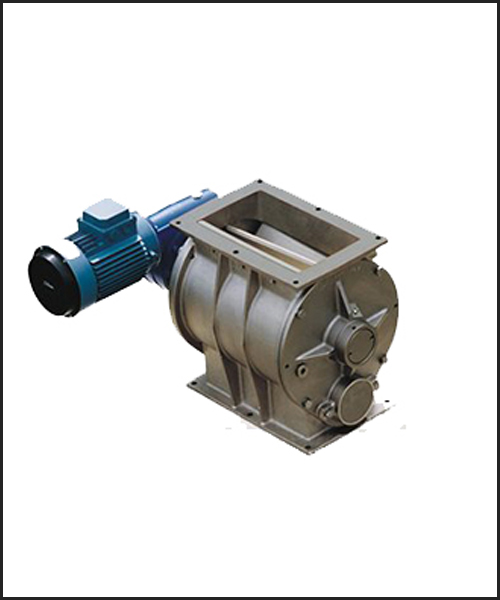
Get Best Quote From Mukti Enterprises
Rotary Airlock Valve
- Reduced air leakage
- Heavy duty metal construction
- Easy installation and replacements.
- Minimizes air losses